University-level material
Physics Derived from the Equation of Motion
The equation of motion is the starting point for a journey through 43 chapters of physics. Laws and experimental results are added, equations are transformed 1 step at a time, and the results are checked with diagrams and numbers.
How to read this map
28High-school chapters15University chapters501Step50Curriculum subtopics (all)
【Using the map】
“Prerequisites” lists the chapters needed to understand a chapter before reading it, including chapters in other fields. “Read first” shows the reading order. Selecting “View connections” displays prerequisite chapters and subsequent chapters in a list and connects them with lines. Hovering over a card also highlights prerequisite chapters in dark blue and subsequent chapters in light blue. “What this chapter covers” identifies the quantities calculated and the concepts explained.
【Assumptions behind the derivations】
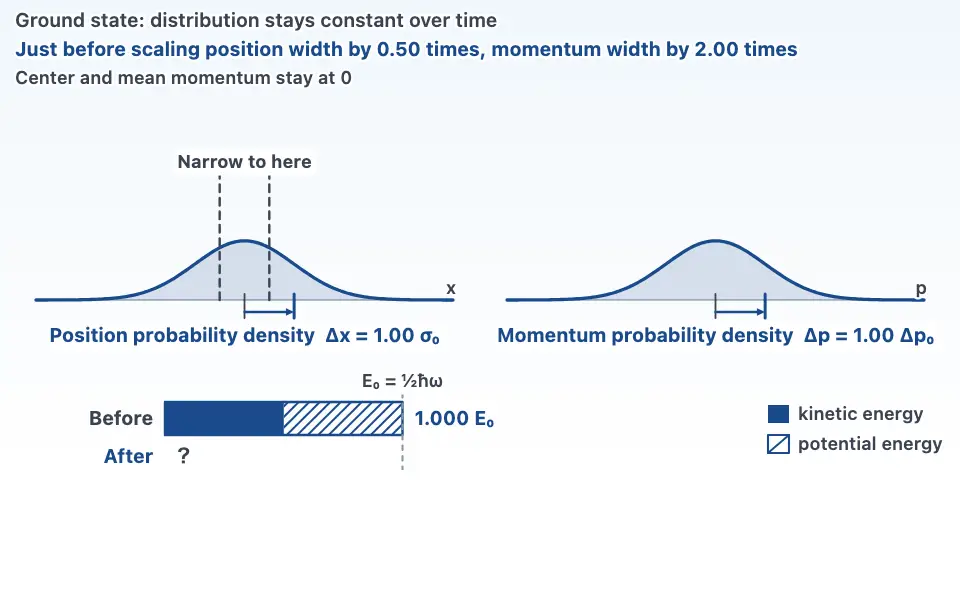
Not everything is derived solely from Newton's equation of motion. Each chapter identifies any new laws or principles it introduces. The derivations also use models, approximations, and experimental results. The Schrödinger equation is introduced as a new fundamental law. “The quantum spring and uncertainty” examines the equations governing the expectation values of position and momentum, along with the conditions under which they reproduce classical motion.
【Reading history】
Your record of completed chapters is saved in this browser.
Read “The Nature of Force” →
Reading orderForce → Velocity and Position → Parabolic Trajectories → Momentum
m dv/dt = FThe equation of motion is the starting point, with new laws and experimental results added along the way
Motion
Heat
Waves
Electricity and Magnetism
Atoms and Quantum Physics
Symmetry and RelativityUniversity-level material
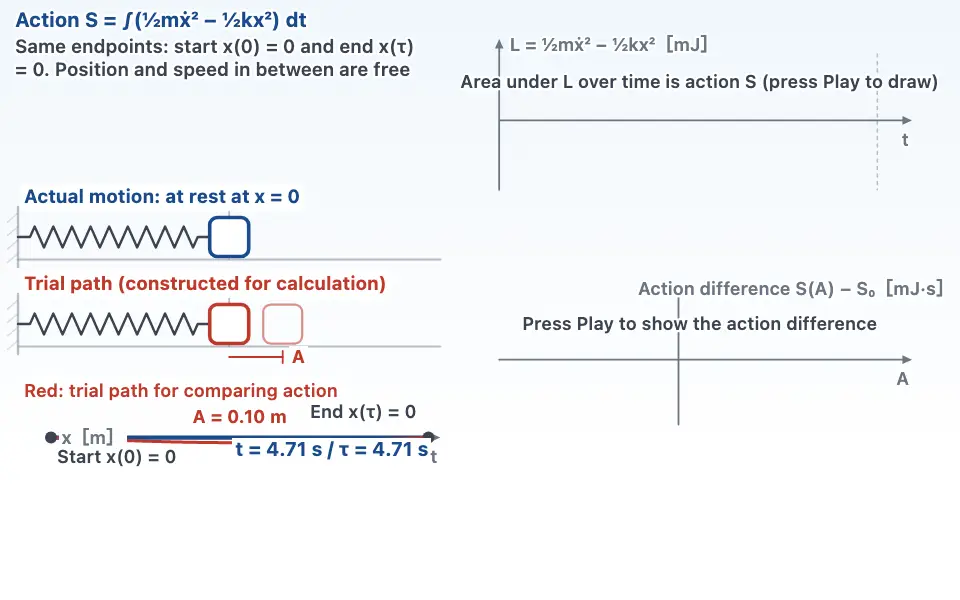
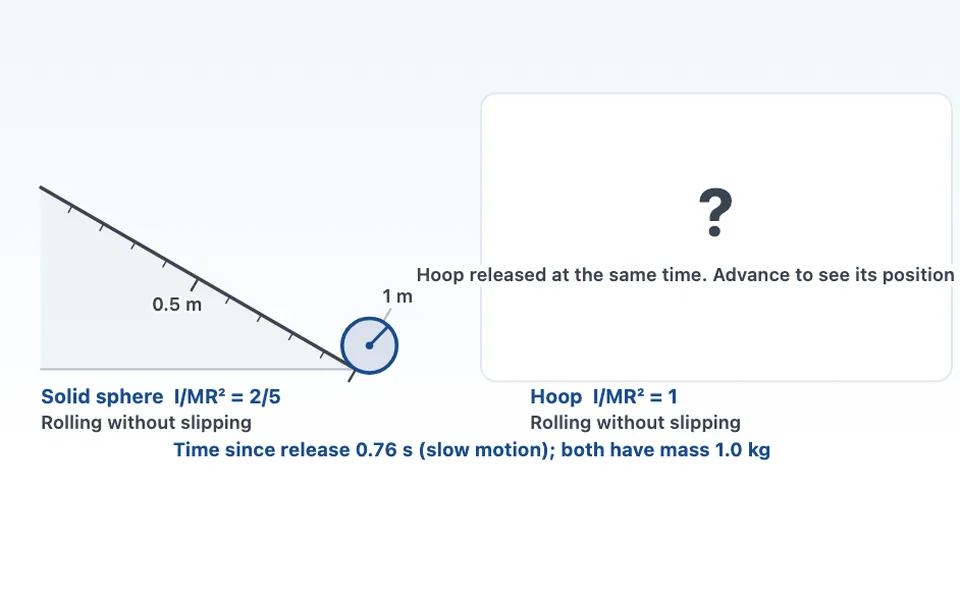
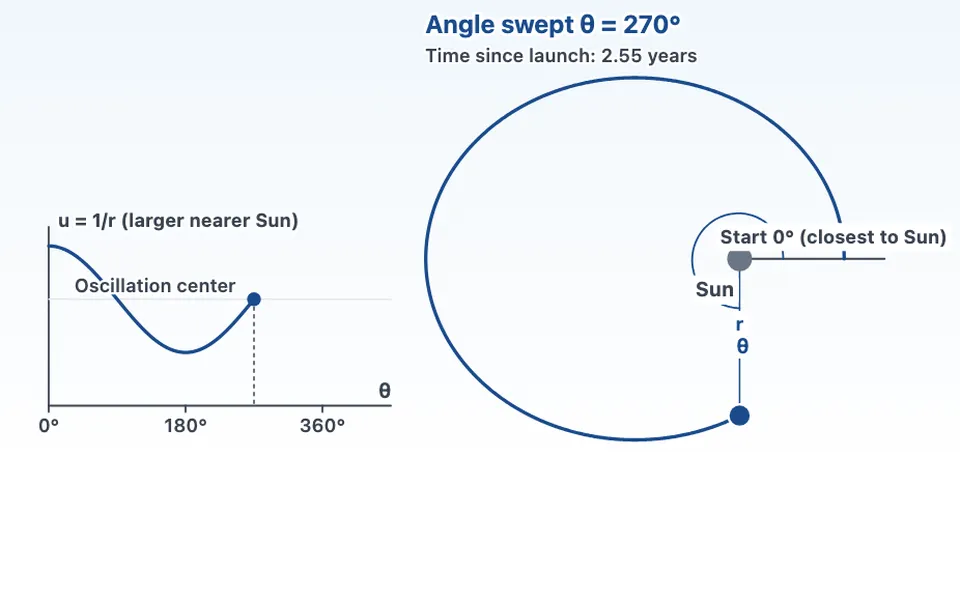
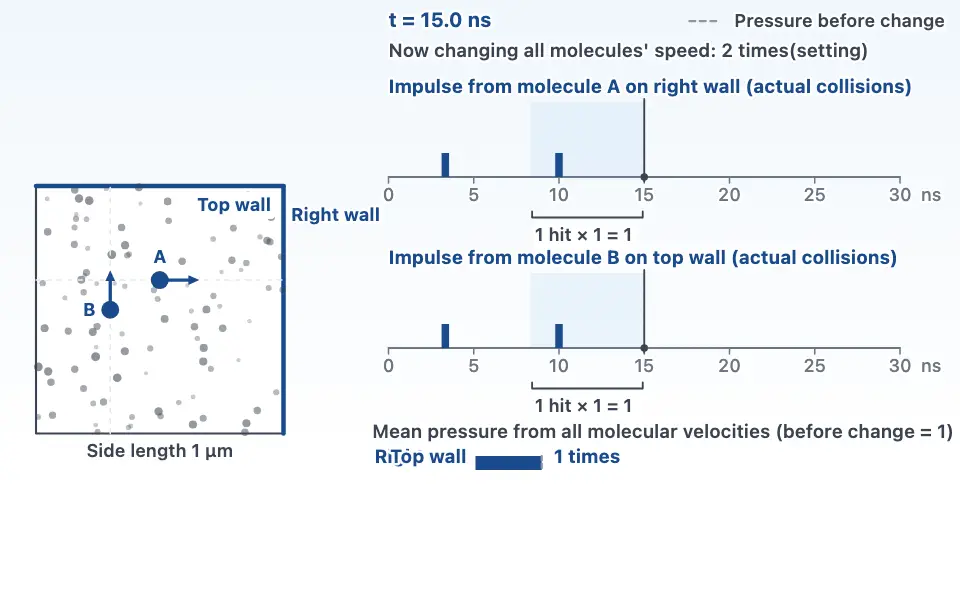
University-level material
University-level material
University-level material
University-level material
University-level material